2 Sep 2026
Strategic Integration of Casino Incentives in Multi-National Texas Hold'em Championship Play
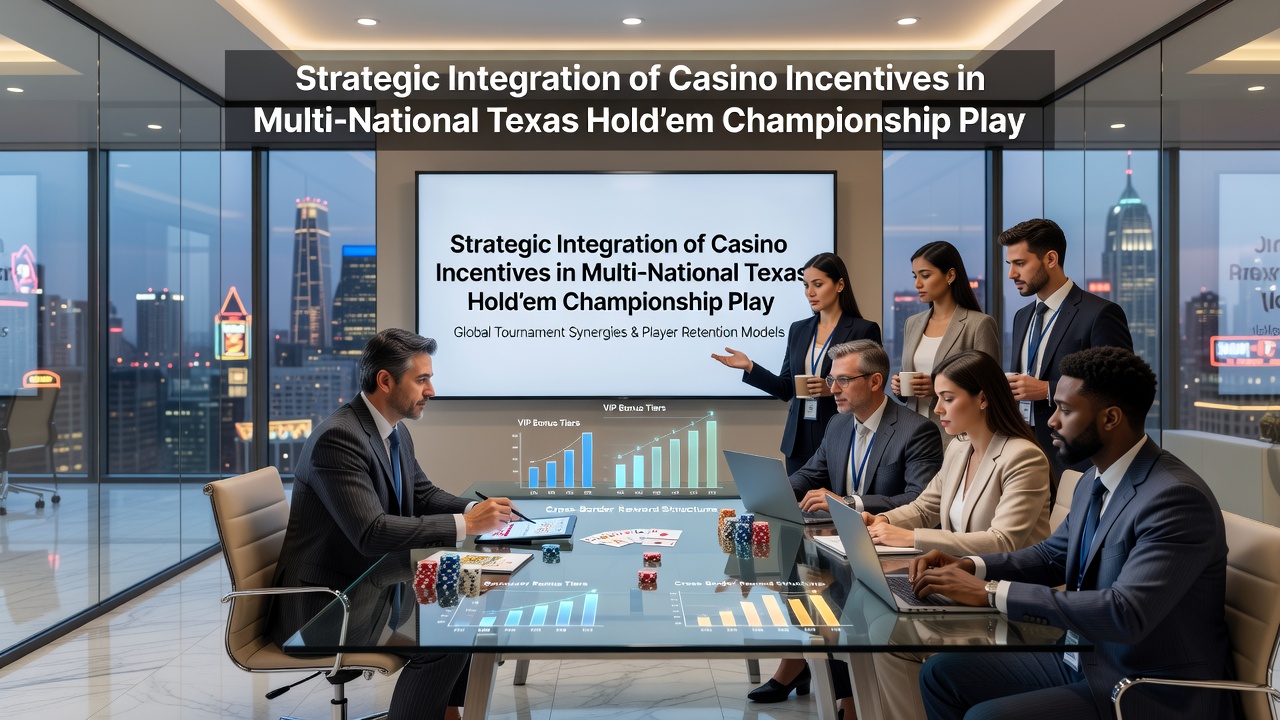
Multi-national Texas Hold'em championship events rely on coordinated incentive structures that align casino resources with player participation across borders, and these programs combine travel reimbursements, lodging credits, and entry fee offsets to maintain consistent attendance at flagship tournaments. Organizers coordinate with host properties to distribute these benefits through centralized registration systems that track player histories and regional eligibility requirements.
Core Components of Incentive Structures
Casino incentives in these championships typically include direct financial support such as partial or full buy-in coverage, which data from major circuits shows increases international player registrations by measurable margins each season. Additional layers involve complimentary room blocks at partner hotels, meal allowances during event weeks, and airfare contributions that scale according to distance traveled from a player's home region. Research from gaming regulatory bodies indicates that these combined packages reduce net costs for participants while generating ancillary revenue through extended on-site play and ancillary spending.
Systems track incentive allocation through loyalty databases that log prior tournament results, frequency of attendance, and geographic origin. This information allows properties to adjust offers dynamically, for instance by increasing travel support for players from Asia-Pacific markets during European stops or providing extended stay credits for North American competitors at Asian venues. Such adjustments maintain competitive balance while adhering to local licensing conditions that govern cross-border promotions.
Regulatory Frameworks Across Regions
Different jurisdictions impose distinct rules on how incentives may be advertised and distributed. The Nevada Gaming Control Board requires detailed reporting of all complimentary services tied to tournament entry, ensuring transparency in how these benefits influence overall prize pools. In contrast, the Australian Communications and Media Authority oversees similar programs under consumer protection guidelines that emphasize clear disclosure of terms before players accept offers. Observers note that these regional variations necessitate careful coordination by event organizers who must satisfy multiple compliance standards simultaneously.
Implementation in 2026 Championship Cycles
September 2026 schedules feature overlapping stops across North America and Europe, where integrated incentive programs target players eligible for both WSOP Circuit events and EPT festivals. Organizers publish preliminary incentive matrices months in advance, allowing competitors to plan travel based on combined value from multiple host casinos. Figures released by tournament operators show that early publication correlates with higher pre-registration numbers from emerging markets.
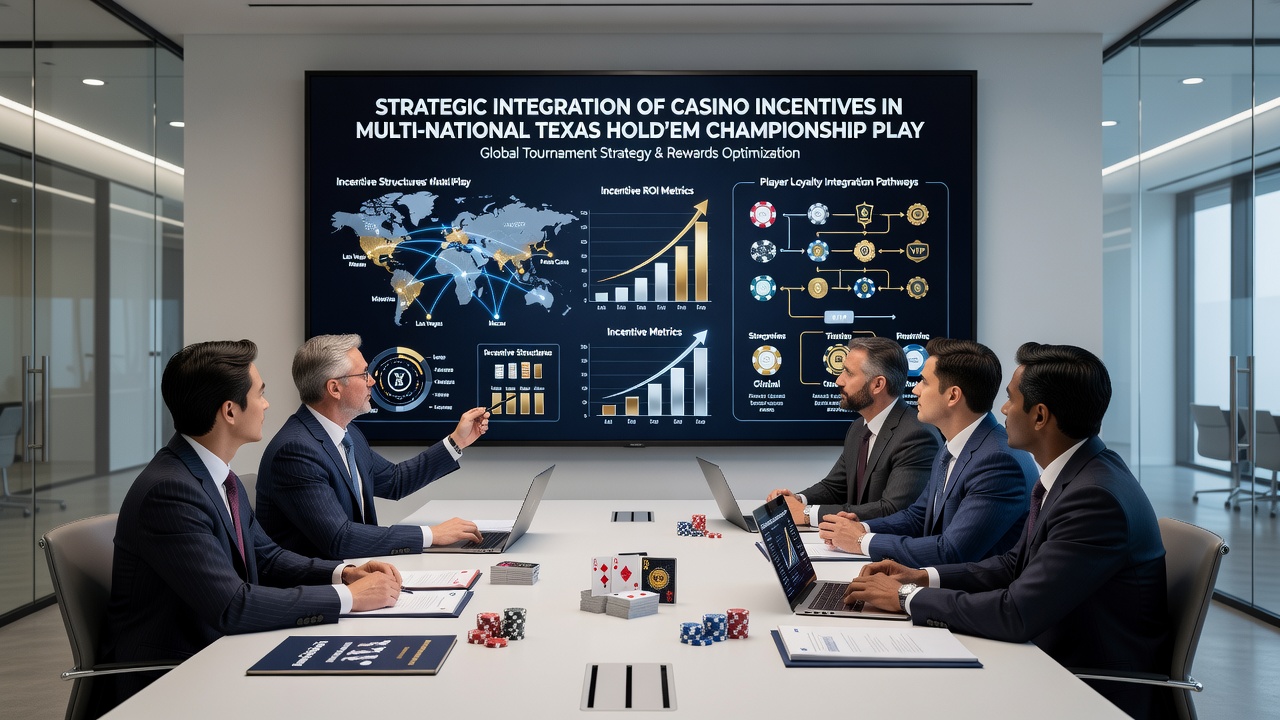
These matrices outline tiered benefits: players reaching certain leaderboard thresholds receive automatic upgrades to business-class travel while first-time international participants qualify for base-level packages that include shared accommodations and daily meal vouchers. Coordination between properties ensures no duplication of benefits occurs, which regulatory reviews confirm prevents over-allocation and maintains fiscal responsibility.
Data Patterns and Participation Trends
Industry reports compiled by the European Gaming and Betting Association document steady growth in multi-national entries when incentive values exceed 25 percent of standard buy-ins. Participation from South American and African regions rises notably under these conditions because reduced out-of-pocket expenses allow more players to justify the journey. Analysts track these patterns through anonymized registration data that isolates incentive impact from other variables such as schedule timing or media coverage.
One documented case involved a 2025 series stop where additional lodging credits for South Korean players produced a 40 percent increase in that demographic's attendance compared with the prior year. Similar targeted adjustments appear in planning documents for 2026, where emphasis shifts toward Southeast Asian markets through expanded airfare partnerships with regional carriers. These examples illustrate how data informs allocation decisions without altering core tournament rules.
Coordination Mechanisms Between Properties
Event operators maintain shared databases that log every incentive granted, enabling real-time verification against local caps and preventing conflicts with national advertising standards. Properties exchange information on player status through secure portals, which allows seamless transfer of benefits when a tournament moves from one jurisdiction to another. This infrastructure supports the logistical demands of circuits spanning multiple continents while preserving compliance records required for license renewals.
Training programs for staff at host venues cover recognition of incentive codes and proper documentation procedures. Such preparation ensures consistent application across sites and reduces administrative errors that could otherwise delay player reimbursements. Reports from circuit organizers indicate that standardized training correlates with higher satisfaction scores in post-event surveys conducted by independent research firms.
Conclusion
Strategic integration of casino incentives within multi-national Texas Hold'em championship frameworks rests on structured data use, cross-jurisdictional compliance, and tiered benefit systems that scale with player performance and origin. September 2026 events continue this established approach through refined matrices that balance cost control with participation growth. Regulatory reporting requirements in key markets ensure ongoing transparency while shared operational tools facilitate smooth execution across borders.