26 Aug 2026
French Poker Rule Adaptations Guiding Bonus Optimization in Global Virtual Tournaments
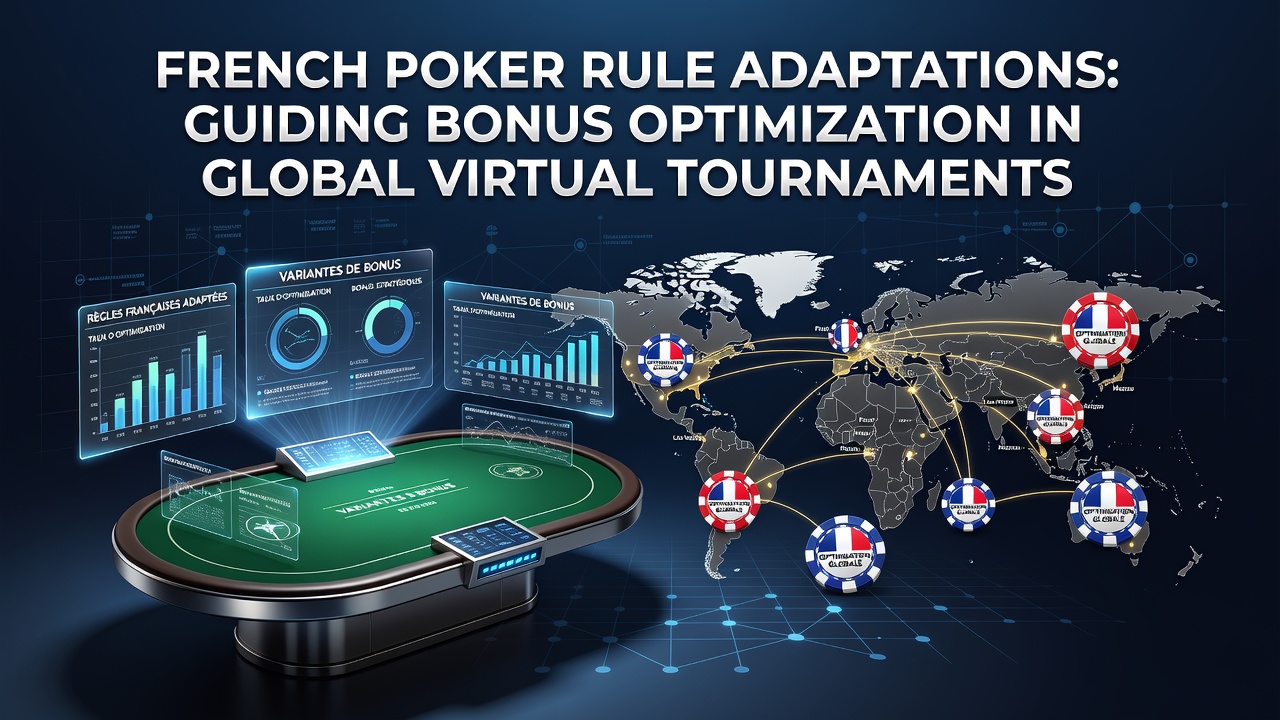
Observers note that French poker regulations, shaped by oversight from the Autorité Nationale des Jeux, have introduced structured adaptations that influence how players approach bonus optimization across international virtual tournament platforms, and these changes connect directly to player behavior patterns observed since the expansion of regulated online gaming in Europe.
Core Elements of French Poker Regulations
Research from regulatory filings shows that French rules emphasize strict separation between real-money play and promotional bonuses, which means operators must display bonus terms with precise wagering requirements before any tournament entry occurs, while players receive clear disclosures on how rake contributions affect bonus releases during multi-table events.
Adaptations for Virtual Tournament Formats
Those who've examined the transition from live French poker circuits to digital environments find that rule tweaks allow bonus funds to apply toward buy-ins only after a minimum number of hands played in cash games, and this structure carries over into global virtual tournaments where participants from multiple jurisdictions compete under unified prize pools managed through licensed platforms.
Data indicates that in August 2026 several major online operators integrated updated French-style bonus tracking systems into their tournament software, which automatically adjusts available bonus amounts based on each player's regional compliance status before registration closes.
Bonus Optimization Strategies Under Adapted Rules
Studies from industry reports reveal that players optimize bonuses by timing their entries into French-adapted tournaments during periods when promotional multipliers align with reduced rake percentages, and these alignments often occur when operators follow ANJ guidelines on transparency that require advance notice of any changes to bonus accrual rates.
One case documented by tournament organizers involved a series where French rule adaptations permitted partial bonus releases after reaching specific placement thresholds, which encouraged broader participation from European players while maintaining compliance across borders.
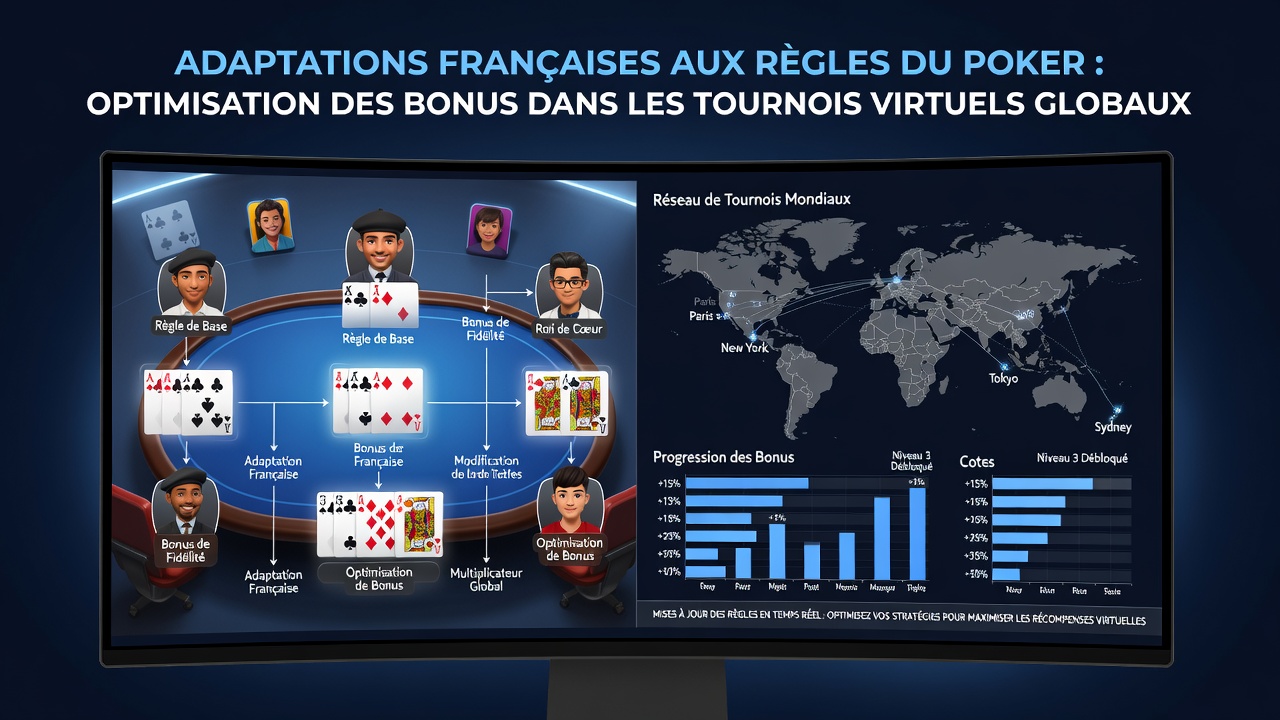
What's interesting is how these adaptations interact with global platforms that host events drawing entrants from North America and Asia, because operators must reconcile French bonus restrictions with varying local regulations without disrupting the flow of tournament progression.
Global Tournament Integration and Regulatory Crossovers
Evidence from cross-border gaming analyses suggests that French adaptations have prompted several platforms to adopt similar bonus verification steps before allowing entries into high-stakes virtual events, and this practice helps reduce disputes over fund eligibility while supporting smoother prize distributions at the conclusion of each series.
Figures from the European Gaming and Betting Association show rising adoption rates of these verification protocols in tournaments scheduled through late 2026, particularly in events that combine French rule elements with North American tournament structures.
Another source, a research paper issued by the University of Sydney's gambling studies group, highlights how such adaptations influence player retention when bonus optimization becomes predictable across different regulatory zones.
Practical Impacts on Player Participation
Those monitoring participation trends observe that French-inspired adaptations lead to more consistent bonus usage rates in global virtual tournaments, since players can plan entries around known release schedules rather than navigating opaque promotional conditions that vary by site.
Turnout data collected during summer 2026 events demonstrated that platforms applying these adaptations saw steadier registration numbers compared to those using less structured bonus systems, and the pattern held across multiple time zones.
Conclusion
French poker rule adaptations continue to shape bonus optimization practices in global virtual tournaments through clear disclosure requirements, structured release mechanisms, and cross-jurisdictional compliance checks that operators have implemented widely by August 2026, and these elements together create a framework that supports both regulatory adherence and efficient player engagement across international platforms.